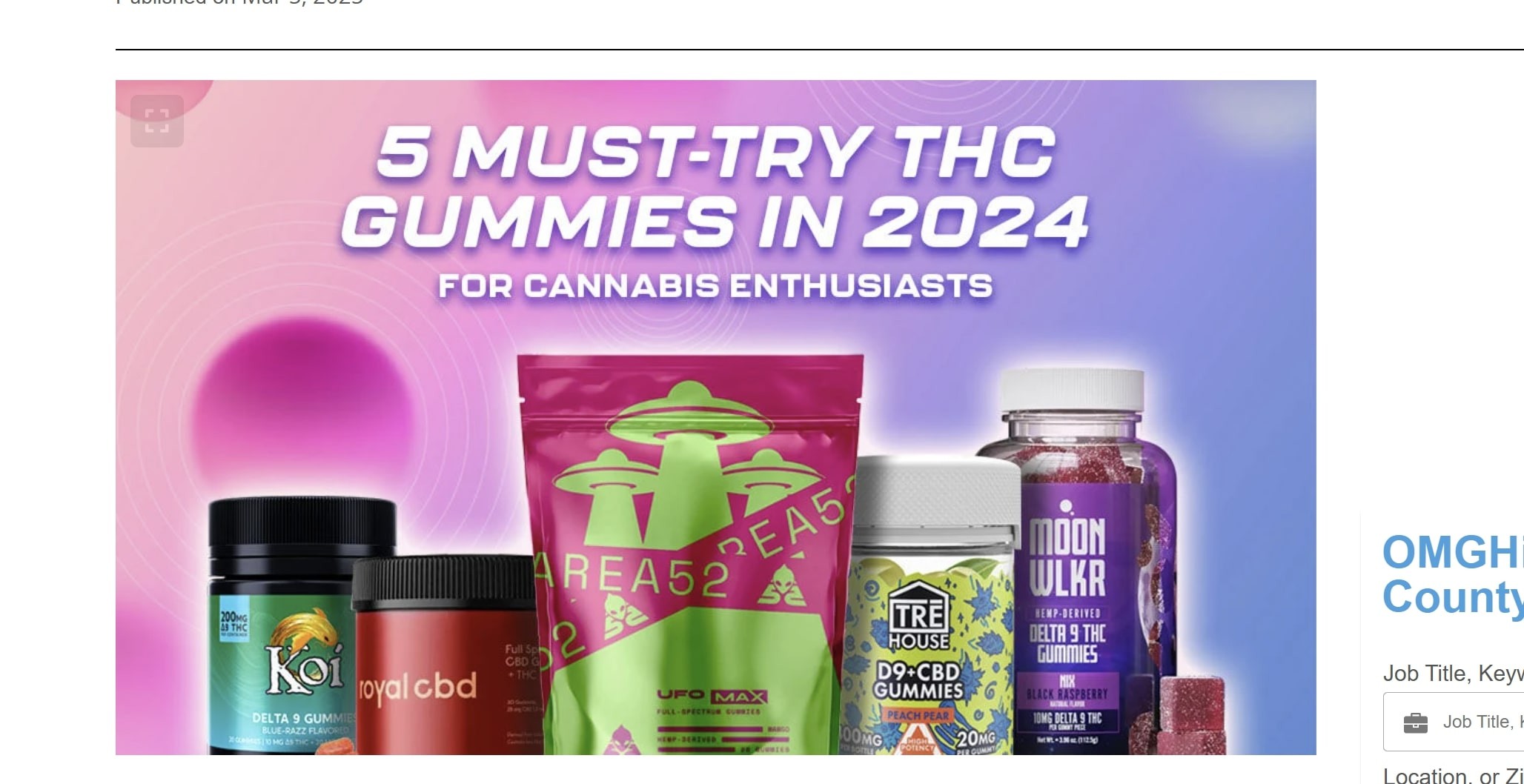
Navigating the Nuances of THC Gummies in 2025: A Deep Dive with Area 52 in Focus The burgeoning world of cannabis edibles presents both exciting possibilities and potential pitfalls for consumers. As we approach 2025, the market is flooded with options, making informed choices more critical than ever. This exploration delves into the key considerations when selecting THC gummies, with a particular emphasis on Area 52 and their innovative approach.
Q: What makes Area 52 THC gummies stand out in a saturated market? Area 52 distinguishes itself through a commitment to quality, transparency, and innovative formulations. Their UFO Max Full-Spectrum Gummies, for instance, boast a carefully crafted blend of delta 9 THC, CBD, and CBG, all extracted using supercritical CO2, a method renowned for its purity. This meticulous approach to extraction and formulation sets them apart from competitors who may prioritize cost over quality.
Expert Opinion: "The use of supercritical CO2 extraction is a significant indicator of quality," explains Dr. Anya Sharma, a cannabis researcher. "It ensures a cleaner, more potent extract, minimizing the presence of residual solvents."
Area 52 THC gummies are a must-try for cannabis enthusiasts seeking a premium experience. Their dedication to vegan ingredients and natural flavors further elevates their appeal to health-conscious consumers. Explore Area 52's THC gummies for 2025 for a taste of this commitment.
Q: Beyond Area 52, what factors should consumers consider when choosing THC gummies? Selecting the right THC gummies involves a multifaceted evaluation process. Consumers should prioritize the following:
Cannabinoid Profile: Understanding the different types of THC (Delta 9, Delta 8, etc.) and their effects is paramount. Delta 9 THC is the most common and well-studied, while alternatives like Delta 8 and Delta 10 offer milder psychoactive experiences. Look for full-spectrum options to leverage the entourage effect. Terpene Profile: Terpenes contribute significantly to the overall effects of THC gummies. Myrcene, for example, is known for its relaxing properties, while Limonene offers an uplifting experience. Understanding the terpene profile can help consumers tailor their experience to their desired outcome. Ingredient Quality: Opt for gummies made with natural ingredients such as pectin (a vegan alternative to gelatin) and natural flavorings. Avoid artificial additives and prioritize products with transparent ingredient lists. Third-Party Testing: This is non-negotiable. Ensure that the gummies have been rigorously tested by a reputable third-party lab for cannabinoid potency, heavy metals, solvents, pesticides, and mycotoxins. Verify the test dates to ensure they are recent. Vendor Reputation: Research the vendor thoroughly. Look for a clear return policy; read customer reviews; and scrutinize the vendor's claims. Avoid vendors making unsubstantiated medical claims as this is a red flag. Dosage: Start low and go slow. Even experienced cannabis users should exercise caution when trying a new product. Q: How does the legal landscape influence the availability and quality of THC gummies? The legal status of THC gummies remains a complex and evolving issue. The 2018 Farm Bill legalized hemp-derived products containing ≤0.3% THC by weight at the federal level; however, state laws vary significantly creating a patchwork of regulations across the country.
This legal ambiguity can impact the quality and availability of THC gummies. Consumers should be aware of the laws in their state and only purchase from reputable vendors who comply with all applicable regulations.
Expert Opinion: "The lack of consistent federal regulations creates a challenging environment for both consumers and businesses," notes Sarah Chen, a cannabis industry attorney. "Consumers need to be vigilant about verifying the legality of products in their state and purchasing from reputable sources."